Buy pohodovka.eu ?
We are moving the project
pohodovka.eu .
Are you interested in purchasing the domain
pohodovka.eu ?
domain@kv-gmbh.de · 0541-91531010
Buy pohodovka.eu ?
Is this a phobia?
No, the fear of being alone is not considered a phobia in the traditional sense. Phobias are typically characterized by an irrational and extreme fear of a specific object or situation, leading to avoidance behaviors. The fear of being alone, also known as autophobia, can be a common feeling experienced by many people at some point in their lives, but it does not necessarily meet the criteria for a clinical phobia. **
What is Phobia 14?
Phobia 14 is a fear of speaking in public or in front of a group of people. It is also known as glossophobia. People with this phobia may experience anxiety, rapid heartbeat, sweating, and trembling when faced with speaking situations. This fear can be debilitating and may impact a person's personal and professional life. Treatment options for Phobia 14 may include therapy, relaxation techniques, and exposure therapy. **

Similar search terms for Phobia
Top-Angebote
Products related to Phobia:
-
I Love Wellness Calm body oil for relaxation 125 mlI Love Wellness Calm, 125 ml, Bath Oils for Women, Do you have the feeling that your skin needs more care than it is getting from body lotion or body cream? I Love Wellness Calm body oil is the perfect product to enrich your skin care routine – it gives skin an extra dose of nourishment, supports its regeneration, and also softens it. Characteristics: leaves the skin flexible and supple has a pleasant fragrance relaxing strengthens the skin barrier nourishes and softens dry skin acts effectively against fatigue and exhaustion Ingredients: vegan product almond oil – nourishes, helps lock water in skin and keep it hydrated, softens rough textures and uneven skin, helps prevent flaking and irritation coconut oil – contains a large amount of antioxidants, helps prevent wrinkles and premature skin aging, intensively nourishes, softens and promotes hydration, regeneration and soothing of skin jojoba oil – keeps skin intensely hydrated, provides antioxidant protection, counteracts irritation and dryness, helps regulate sebum production and promotes regeneration How to use: Follow the instructions on the package.3,80 £*Shipping: 3,99 £Secure redirect to the provider

-
What is escalator phobia?
Escalator phobia, also known as bathmophobia, is a fear of escalators. People with this phobia may experience anxiety, panic attacks, or avoidance behaviors when faced with the prospect of using an escalator. This fear can be triggered by a variety of factors, including a fear of falling, a lack of control, or a traumatic experience. Treatment for escalator phobia may involve therapy, exposure techniques, and relaxation strategies to help individuals overcome their fear and regain confidence in using escalators. **
-
What is Phobia 23?
Phobia 23 is a specific phobia that involves an intense and irrational fear of the number 23. This fear can manifest in various ways, such as avoiding the number at all costs, experiencing anxiety or panic when encountering the number, or believing that it holds some kind of negative power. Like other specific phobias, Phobia 23 can cause significant distress and impairment in daily life for those who experience it. Treatment for Phobia 23 typically involves cognitive-behavioral therapy and exposure therapy to help individuals overcome their fear. **
-
What is Phobia 16?
Phobia 16 is a specific phobia related to the fear of needles or injections. It is also known as trypanophobia. People with this phobia may experience extreme anxiety, panic attacks, or avoidance behaviors when faced with the prospect of receiving an injection or having blood drawn. This fear can be quite distressing and can interfere with a person's ability to seek necessary medical treatment. Treatment for Phobia 16 may include therapy, desensitization techniques, and medication to help manage anxiety. **
-
What causes social phobia?
Social phobia, also known as social anxiety disorder, can be caused by a combination of genetic, environmental, and psychological factors. People with a family history of anxiety disorders may be more likely to develop social phobia. Traumatic or embarrassing experiences in social situations can also contribute to the development of social phobia. Additionally, individuals with low self-esteem or a tendency to be overly self-critical may be more prone to developing social phobia. Overall, social phobia is a complex condition with multiple potential causes. **
What is dentifrice phobia?
Dentifrice phobia, also known as toothpaste phobia, is a specific phobia characterized by an intense and irrational fear of using toothpaste. This fear can be triggered by the taste, texture, or smell of toothpaste, and can lead to avoidance of oral hygiene practices such as brushing teeth. Dentifrice phobia can have negative effects on oral health and overall well-being, and may require professional intervention to address. **
What is balloon phobia?
Balloon phobia, also known as globophobia, is a specific phobia characterized by an intense and irrational fear of balloons. People with this phobia may experience anxiety, panic attacks, and avoidance behaviors when they are near balloons or even just thinking about them. This fear may stem from a traumatic experience with a balloon, the fear of the loud popping sound, or the fear of the balloon unexpectedly bursting. Treatment for balloon phobia may include therapy, exposure therapy, and relaxation techniques to help manage the fear. **
Top-Angebote
Products related to Phobia:
-
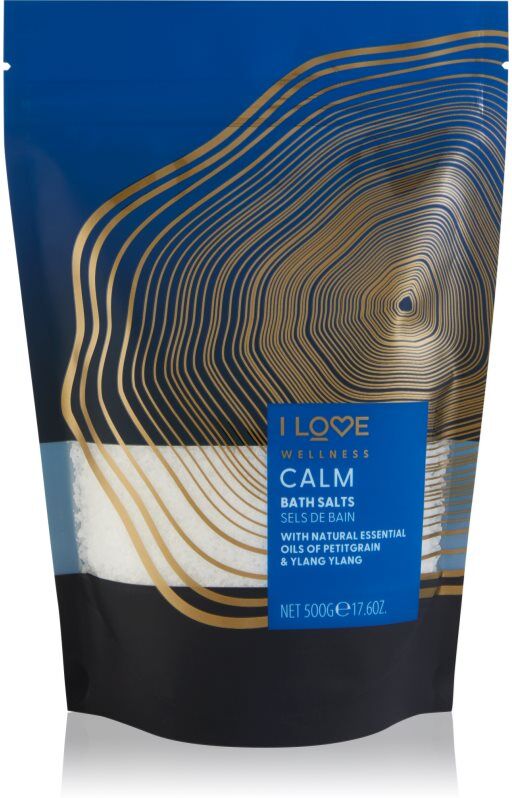
I Love Wellness Calm bath salt for relaxation 500 gI Love Wellness Calm, 500 g, Bath Salts for Women, Do you love long baths in nice hot water? Your favourite relaxation ritual can be enhanced and taken to another level by I Love Wellness Calmbath salts. It lets you create a fragrant salt bath right in your own home, allowing tension and feelings of inner turmoil to melt away while creating a wonderful sense of well-being. But you don't just get the relaxation you deserve, although the intoxicating smell of salt certainly invites you to do so. Apart from relaxation, your body will also be treated to regeneration. Salt is rich in natural minerals, so it will help with skin regeneration and contribute to relieving any skin issues you may have. Characteristics: relaxing effect has a pleasant fragrance moisturises and softens strengthens the skin’s defences has a relaxing effect on the muscles of the body Ingredients: vegan product camomile extract – soothes, counteracts irritation, helps reduce redness and promotes regeneration How to use: Pour into a warm bath and allow to dissolve.9,70 £*Shipping: 3,99 £Secure redirect to the provider
-
I Love Wellness Calm pillow mist for relaxation 125 mlI Love Wellness Calm, 125 ml, Air Fresheners Home Scents, The I Love Wellness Calm room spray will make your home smell beautiful with just one spray. The immediate effect means you can appreciate the pleasant fragrance as soon as you need it. Characteristics: a floral fragrance a herbal aroma citrus fragrance Ingredients: with essential oils How to use: You can also use it on fabrics. The fragrances are specially designed not to leave stains on fabric. Keep out of the reach of children and pets. If the product refill comes into contact with your skin, wash immediately with plenty of soap and water. If it gets into your eyes, rinse for several minutes with water.7,50 £*Shipping: 3,99 £Secure redirect to the provider
-
I Love Wellness Calm body oil for relaxation 125 mlI Love Wellness Calm, 125 ml, Bath Oils for Women, Do you have the feeling that your skin needs more care than it is getting from body lotion or body cream? I Love Wellness Calm body oil is the perfect product to enrich your skin care routine – it gives skin an extra dose of nourishment, supports its regeneration, and also softens it. Characteristics: leaves the skin flexible and supple has a pleasant fragrance relaxing strengthens the skin barrier nourishes and softens dry skin acts effectively against fatigue and exhaustion Ingredients: vegan product almond oil – nourishes, helps lock water in skin and keep it hydrated, softens rough textures and uneven skin, helps prevent flaking and irritation coconut oil – contains a large amount of antioxidants, helps prevent wrinkles and premature skin aging, intensively nourishes, softens and promotes hydration, regeneration and soothing of skin jojoba oil – keeps skin intensely hydrated, provides antioxidant protection, counteracts irritation and dryness, helps regulate sebum production and promotes regeneration How to use: Follow the instructions on the package.3,80 £*Shipping: 3,99 £Secure redirect to the provider
-
Is this a phobia?
No, the fear of being alone is not considered a phobia in the traditional sense. Phobias are typically characterized by an irrational and extreme fear of a specific object or situation, leading to avoidance behaviors. The fear of being alone, also known as autophobia, can be a common feeling experienced by many people at some point in their lives, but it does not necessarily meet the criteria for a clinical phobia. **
-
What is Phobia 14?
Phobia 14 is a fear of speaking in public or in front of a group of people. It is also known as glossophobia. People with this phobia may experience anxiety, rapid heartbeat, sweating, and trembling when faced with speaking situations. This fear can be debilitating and may impact a person's personal and professional life. Treatment options for Phobia 14 may include therapy, relaxation techniques, and exposure therapy. **
-
What is escalator phobia?
Escalator phobia, also known as bathmophobia, is a fear of escalators. People with this phobia may experience anxiety, panic attacks, or avoidance behaviors when faced with the prospect of using an escalator. This fear can be triggered by a variety of factors, including a fear of falling, a lack of control, or a traumatic experience. Treatment for escalator phobia may involve therapy, exposure techniques, and relaxation strategies to help individuals overcome their fear and regain confidence in using escalators. **
-
What is Phobia 23?
Phobia 23 is a specific phobia that involves an intense and irrational fear of the number 23. This fear can manifest in various ways, such as avoiding the number at all costs, experiencing anxiety or panic when encountering the number, or believing that it holds some kind of negative power. Like other specific phobias, Phobia 23 can cause significant distress and impairment in daily life for those who experience it. Treatment for Phobia 23 typically involves cognitive-behavioral therapy and exposure therapy to help individuals overcome their fear. **
Similar search terms for Phobia
-
What is Phobia 16?
Phobia 16 is a specific phobia related to the fear of needles or injections. It is also known as trypanophobia. People with this phobia may experience extreme anxiety, panic attacks, or avoidance behaviors when faced with the prospect of receiving an injection or having blood drawn. This fear can be quite distressing and can interfere with a person's ability to seek necessary medical treatment. Treatment for Phobia 16 may include therapy, desensitization techniques, and medication to help manage anxiety. **
-
What causes social phobia?
Social phobia, also known as social anxiety disorder, can be caused by a combination of genetic, environmental, and psychological factors. People with a family history of anxiety disorders may be more likely to develop social phobia. Traumatic or embarrassing experiences in social situations can also contribute to the development of social phobia. Additionally, individuals with low self-esteem or a tendency to be overly self-critical may be more prone to developing social phobia. Overall, social phobia is a complex condition with multiple potential causes. **
-
What is dentifrice phobia?
Dentifrice phobia, also known as toothpaste phobia, is a specific phobia characterized by an intense and irrational fear of using toothpaste. This fear can be triggered by the taste, texture, or smell of toothpaste, and can lead to avoidance of oral hygiene practices such as brushing teeth. Dentifrice phobia can have negative effects on oral health and overall well-being, and may require professional intervention to address. **
-
What is balloon phobia?
Balloon phobia, also known as globophobia, is a specific phobia characterized by an intense and irrational fear of balloons. People with this phobia may experience anxiety, panic attacks, and avoidance behaviors when they are near balloons or even just thinking about them. This fear may stem from a traumatic experience with a balloon, the fear of the loud popping sound, or the fear of the balloon unexpectedly bursting. Treatment for balloon phobia may include therapy, exposure therapy, and relaxation techniques to help manage the fear. **
* All prices are inclusive of VAT and, if applicable, plus shipping costs. The offer information is based on the details provided by the respective shop and is updated through automated processes. Real-time updates do not occur, so deviations can occur in individual cases. ** Note: Parts of this content were created by AI.